Abstract
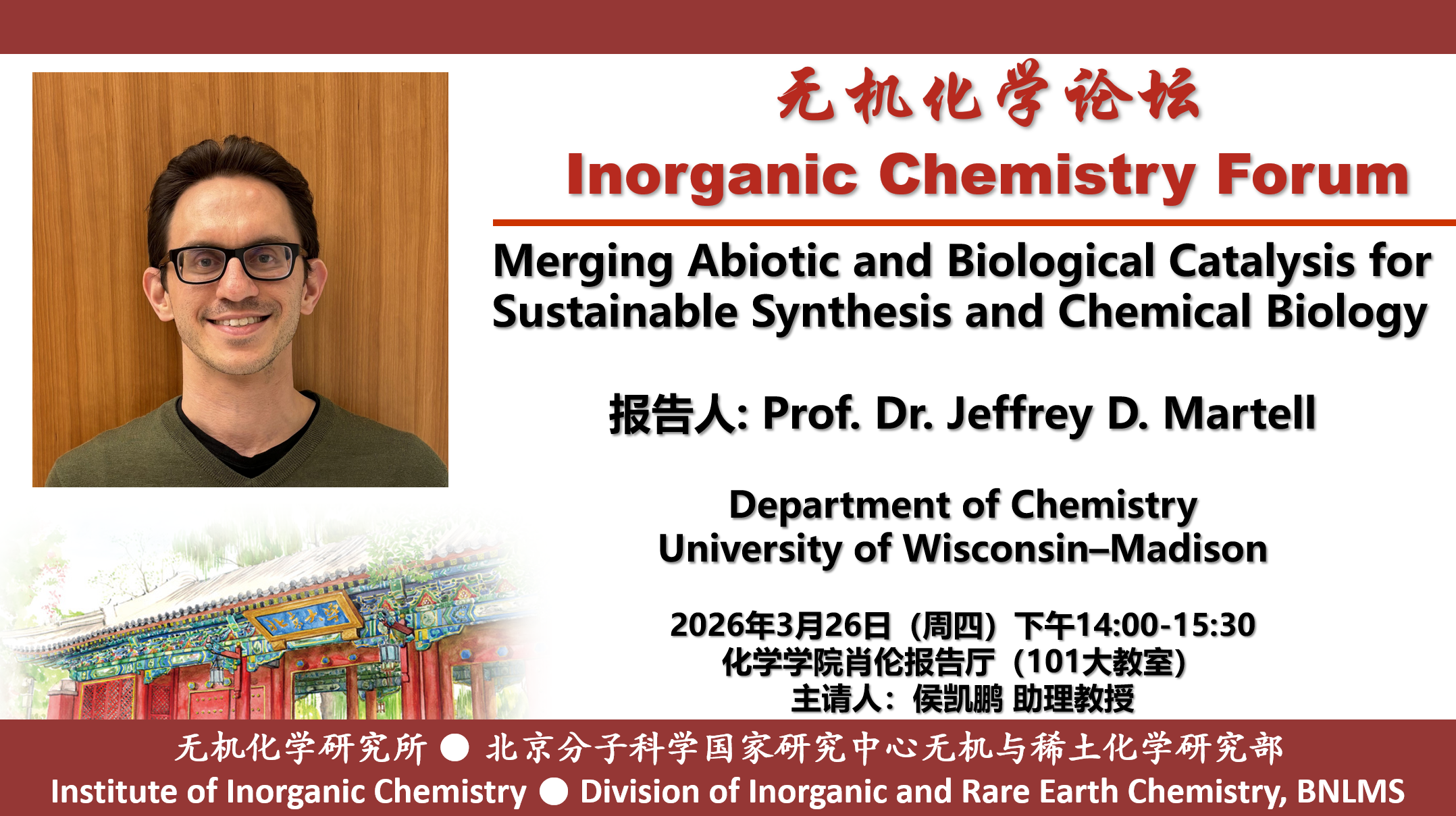
Enzymes exhibit remarkable rate accelerations under mild conditions, but they did not evolve to react with abiotic substrates. On the other hand, synthetic catalysts offer broader reaction scope, but they do not exhibit the fast reactivity of enzymes under mild conditions, and they are developed and optimized using low-throughput methods. My group and I develop catalysts that merge the benefits of enzymes and abiotic chemistry. In one research area, we are using DNA as a nanoscaffold to accelerate the discovery and enhance the activity of abiotic catalyst systems. I will describe a platform to rapidly evaluate up to a million DNA nano-catalysts using DNA barcoding and combinatorial synthesis, thus mimicking the process of directed evolution in identifying highly active abiotic catalyst systems. In our second research area, we are developing ultrahigh-throughput chemogenetic directed evolution platforms to enhance the activity of natural enzymes in abiotic contexts. I will describe yeast display platforms to discover enzyme mutants with improved activity for diverse applications, including recycling of synthetic plastics and proteomic mapping in living cells.



 北大化学微信