Abstract
Protein lipid-modification anchors proteins to the cell membrane where they can relay chemical messages from the exterior to the cellular interior. This presentation will describe the development of new chemical tools and how they have been used to probe the biology of protein lipidation as well as develop new protein-based diagnostics and therapeutics. Alkyne-containing isoprenoid analogues have been used to reveal dysregulated prenylation in a range of systems including Alzheimer’s disease. Tellurium-containing analogues have allowed global prenylation levels to be monitored at the single cell level via mass cytometry. Diazirine-functionalized analogues have been used to identify new binding partners of prenylated proteins. Proteins modified with prenyl groups have also been used to decorate the apical surfaces of cells to deliver PET imaging agents to target cells as well as to direct specific cell-cell interactions for selective drug targeting. These results illustrate the power of chemical strategies.
Biography
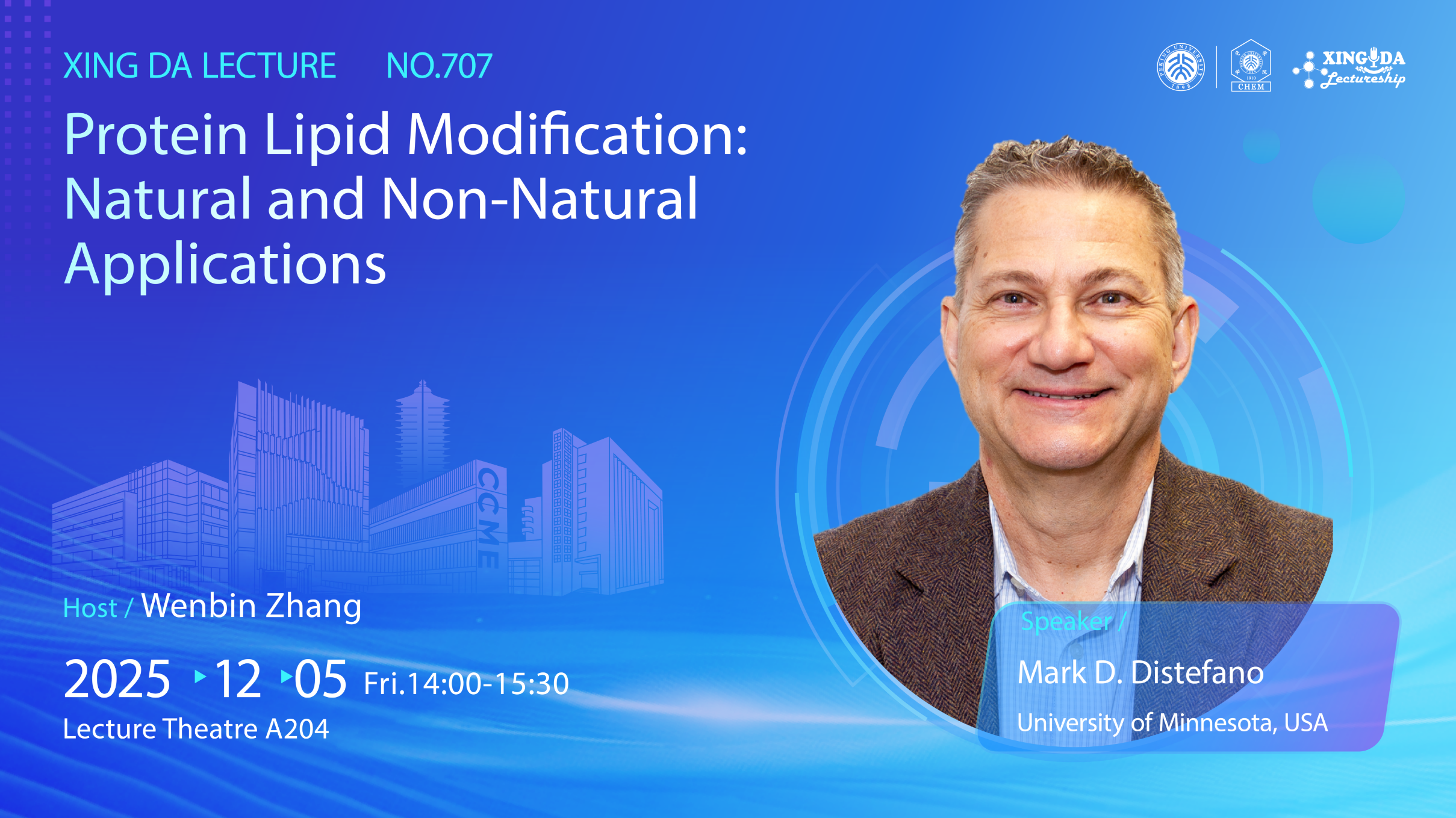
Mark Distefano is currently Distinguished McKnight Professor of Chemistry and Medicinal Chemistry at the University of Minnesota. He received his B.S. degree in Chemistry and Biochemistry from the University of California at Berkeley, his Ph.D. degree from Massachusetts Institute of Technology and was a postdoctoral fellow at the California Institute of Technology. He has published more than 200 research articles, book chapters and reviews and is currently Editor-in-Chief for Bioorganic Chemistry. His current research is focused on understanding and exploiting protein lipid modification including protein prenylation.



 北大化学微信